info@megamedspharm.online



 Cart is empty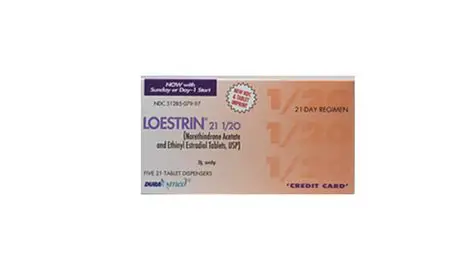
-
Ethinyl estradiol (10–20 mcg depending on version) – one of the lowest estrogen doses available
-
Norethindrone acetate – progestin
-
Loestrin 1/20 (1 mg norethindrone acetate / 20 mcg ethinyl estradiol)
-
Loestrin FE (includes iron supplement in placebo pills)
-
Lo Loestrin Fe (super low dose: 10 mcg estrogen)
-
Pregnancy prevention
-
Lighter periods
-
Reducing menstrual cramps
-
Managing PMS symptoms
-
Improving cycle regularity
-
Experience nausea with higher estrogen
-
Have migraines without aura
-
Prefer a gentler hormonal profile
-
Shorter periods
-
Reduced menstrual flow
-
Fewer cramps
-
Less PMS
-
Breast tenderness
-
Mood swings
-
Headaches
-
Bloating
-
Inconsistent cycles
-
Heavy bleeding
-
Long cycles
-
Hormonal fluctuations
-
21 active pills (hormones)
-
7 placebo or iron pills (Fe)
-
24 active pills
-
4 low-hormone or iron pills
-
One pill at the same time daily
-
Start on day 1 of period or per provider instructions
-
If pills are missed, consult guidelines for backup contraception
-
Want a low-dose estrogen pill
-
Experience side effects from higher-dose contraceptives
-
Prefer lighter, shorter periods
-
Want predictable cycles
-
Experienced issues with pills like Sprintec (higher estrogen)
-
Do better with norethindrone than progestins like drospirenone (Yaz) or desogestrel (Apri)
-
Smoking status (age > 35)
-
History of blood clots
-
Certain migraines
-
High blood pressure
-
Liver conditions
-
Hormone-sensitive cancers
-
Nausea (usually short-term)
-
Light spotting
-
Mild breast tenderness
-
Headaches
-
Mood changes
-
Changes in libido
-
Skin sensitivity
-
Weight fluctuations
-
Blood clots
-
Stroke (especially in smokers over age 35)
-
Elevated blood pressure
-
Sprintec uses 35 mcg estrogen; Loestrin uses 10–20 mcg
-
Loestrin is gentler for estrogen-sensitive users
-
Sprintec may help more with acne
-
Yaz contains drospirenone with anti-androgen benefits
-
Loestrin is estrogen-light but does not treat PMDD
-
Yaz may worsen potassium issues; Loestrin does not
-
Apri uses desogestrel; Loestrin uses norethindrone
-
Loestrin has lower estrogen
-
Apri may be stronger for cycle symptoms
-
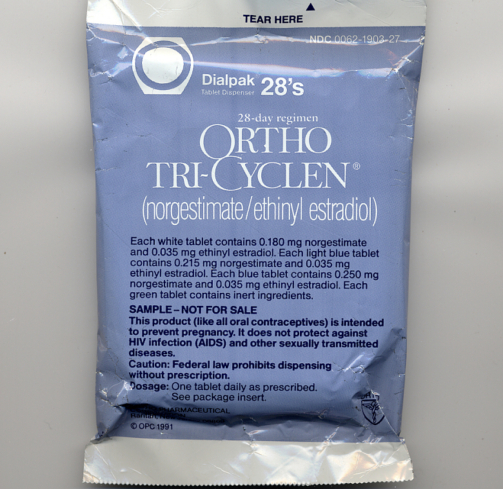
Ortho Tri-Cyclen is triphasic
-
Loestrin is low-dose and monophasic
-
OTC is FDA-approved for acne
-
Take daily at the same time
-
Follow instructions for missed pills
-
Review medication interactions
-
Monitor how your body reacts during the first 2–3 months
-
Smoking while using estrogen pills
-
Doubling up without guidance
-
Skipping pills
-
Using Loestrin without clinician evaluation
-
PMS management
-
Heavy bleeding
-
Long or irregular cycles
-
Endometriosis-related symptoms (provider-supervised)
Loestrin Birth Control: Complete Guide to Uses, Hormones, Benefits, Risks, and Safe Use
Loestrin birth control is one of the most commonly prescribed low-dose combination oral contraceptives, designed for individuals seeking pregnancy prevention with reduced estrogen exposure. Known for its gentle hormonal profile, Loestrin often results in lighter periods, less PMS, fewer hormonal side effects, and improved cycle control.
Because Loestrin contains one of the lowest estrogen levels among combination pills, it is frequently recommended for individuals sensitive to estrogen or those who experienced nausea, headaches, or mood symptoms on higher-dose contraceptives.
This educational guide explains how Loestrin works, its benefits, side effects, safety considerations, and how it compares to contraceptives like Sprintec, Yaz, Apri, and Ortho Tri-Cyclen.
What Is Loestrin?
Loestrin is a combined oral contraceptive pill (COC) containing:
Loestrin is available in several formulations, including:
These formulations make Loestrin widely adaptable for users looking for low-estrogen contraception.
Loestrin is used for:
More information is available through organizations like NIH and Mayo Clinic.
How Loestrin Birth Control Works
Loestrin prevents pregnancy through three key mechanisms:
1. Inhibits Ovulation
Estrogen and progestin work together to stop the egg from being released.
2. Thickens Cervical Mucus
This makes it harder for sperm to reach the uterus.
3. Alters the Uterine Lining
Prevents implantation by thinning the endometrial lining.
Loestrin is over 99% effective with perfect use, and around 93% effective with typical use.
Benefits of Loestrin Birth Control
1. Low-Estrogen Formulation
Ideal for individuals who:
Loestrin uses one of the lowest estrogen doses among combination pills.
2. Lighter & Less Painful Periods
Users often report:
3. Lower Hormonal Side Effects
Because it is low estrogen, Loestrin may reduce:
4. Good Option for First-Time Pill Users
Its gentle hormone levels make it a common starter pill recommended by clinicians.
5. Helps Manage Cycle Irregularities
Loestrin is often used to regulate:
Loestrin Dosage and Schedule
Most Loestrin packs follow:
Some versions (like Lo Loestrin Fe) have:
How to Take Loestrin:
Maintaining consistent timing is key to preventing pregnancy.
Who Can Use Loestrin?
Loestrin is a strong option for individuals who:
Who Should NOT Use Loestrin?
Loestrin may not be appropriate for individuals with:
As with all combination pills, estrogen-containing contraceptives require medical evaluation before use.
Possible Side Effects of Loestrin
Side effects are typically mild due to its low estrogen content.
Common:
Less common:
Rare but serious:
More details:
https://www.mayoclinic.org
Loestrin vs. Other Birth Control Pills
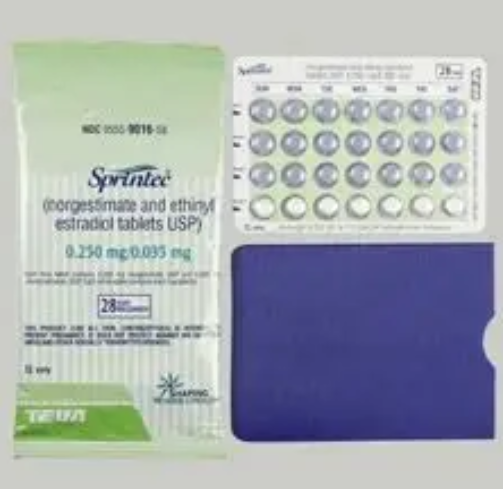
Loestrin vs. Sprintec
(Internal link: Sprintec page)
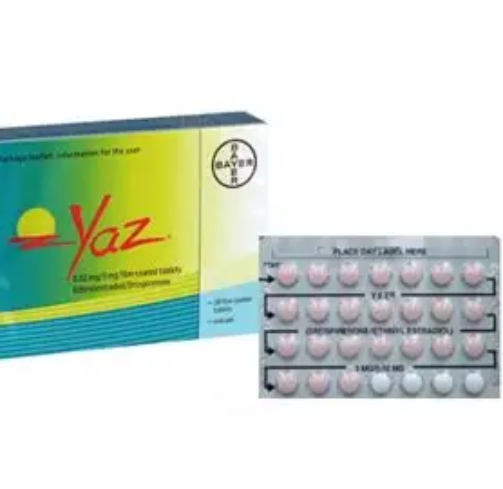
Loestrin vs. Yaz
(Internal link: Yaz page)
Loestrin vs. Apri
(Internal link: Apri page)
Loestrin vs. Ortho Tri-Cyclen
Safety & Best Use Guidelines
Always:
Avoid:
Non-Contraceptive Uses of Loestrin
Loestrin may help with:
Its low-estrogen profile makes it appealing for sensitive users.
Final Thoughts on Loestrin Birth Control
Loestrin birth control is a low-estrogen, well-tolerated contraceptive choice that offers reliable pregnancy prevention, lighter periods, and reduced hormonal side effects. Its gentle hormonal profile and monophasic dosing make it suitable for individuals who want effective contraception with minimal estrogen exposure.
Comparisons with Sprintec, Yaz, Apri, and Ortho Tri-Cyclen help users understand Loestrin’s unique position among combination birth control options. Always consult a clinician to ensure Loestrin is the right fit for your health and goals.
Only logged in customers who have purchased this product may leave a review.
Related Products
Reviews
There are no reviews yet.