info@megamedspharm.online



 Cart is empty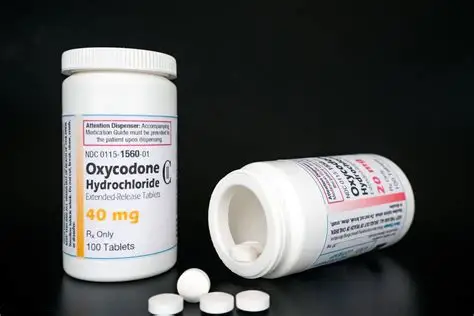
TRAMADOL / OXYCODONE
$230
Add to WishlistRemove from Wishlist
Add to Wishlist
Share
CategoryPain Killers
-
Relieves moderate to moderately severe pain
-
Affects opioid receptors and neurotransmitters
-
Has slower onset and weaker potency than Oxycodone
-
Moderate to severe pain
-
Post-surgical pain
-
Chronic pain under strict medical monitoring
-
Respiration
-
Heart rate
-
Cognitive function
-
Dependence risk
-
Usually 25–100 mg depending on formulation and severity
-
Extended-release versions used for chronic conditions
-
Typically 5–10 mg immediate release for acute pain
-
Extended-release forms used in severe chronic pain cases
-
Age
-
Pain severity
-
Other medications
-
Medical history
-
Breathing disorders
-
Severe asthma
-
A history of substance misuse
-
Certain heart conditions
-
Severe liver disease
-
Use of sedatives, alcohol, or benzodiazepines
-
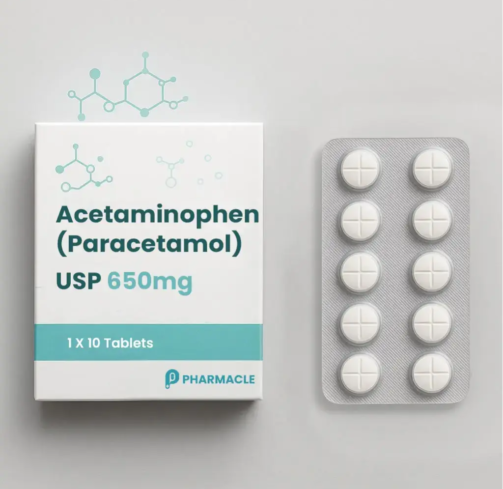
Acetaminophen (gentle on stomach)
-
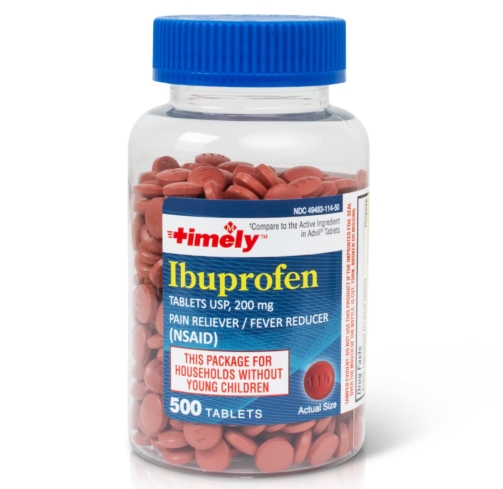
Ibuprofen (fast anti-inflammatory action)
-
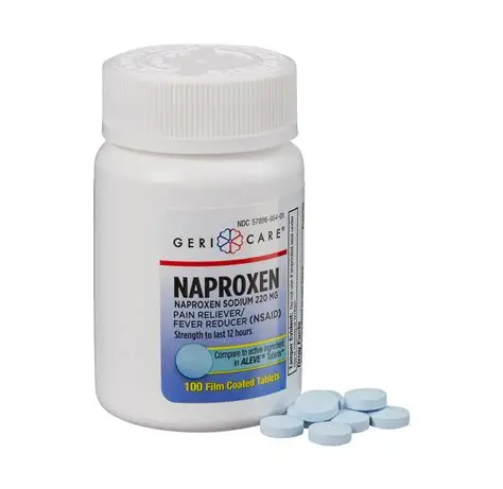
Naproxen (long-lasting relief)
-
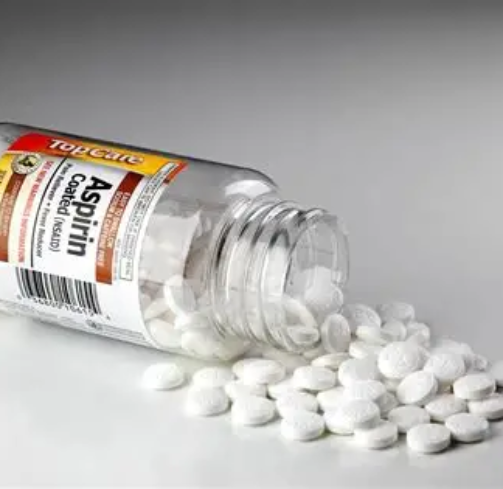
Aspirin (anti-inflammatory + antiplatelet)
-
Drowsiness
-
Dizziness
-
Constipation
-
Nausea
-
Slowed reaction time
-
Respiratory depression
-
Sedation
-
Low blood pressure
-
Dependence or misuse (high risk)
-
Withdrawal symptoms
-
Acetaminophen is safer but not effective for severe pain
(Internal link: Acetaminophen page) -
Ibuprofen reduces inflammation; opioids do not
(Internal link: Ibuprofen page) -
Naproxen lasts longer but is weaker than opioids
(Internal link: Naproxen page) -
Aspirin has unique blood-thinning benefits
(Internal link: Aspirin page) -
Acetaminophen (fever/mild pain)
-
Ibuprofen (inflammation)
-
Naproxen (long-lasting)
-
Aspirin (pain + cardiovascular support)
Tramadol and Oxycodone for Severe Pain Relief: Complete Guide to Uses, Safety, Side Effects, and Medically Approved Pain Management
Tramadol and Oxycodone for severe pain relief are prescription-only opioid medications used for treating moderate to severe pain when other analgesics are not effective. These medications are typically used after surgery, during injury recovery, or for conditions that cause intense, chronic pain. Because opioids affect the central nervous system, they must only be taken under strict medical supervision.
This guide provides educational, doctor-oriented, and safety-focused information about Tramadol and Oxycodone. It also compares these prescription analgesics to non-opioid alternatives such as Acetaminophen, Ibuprofen, Naproxen, and Aspirin, helping patients understand when opioids are medically appropriate and why professional oversight is essential.
What Are Tramadol and Oxycodone?
Tramadol and Oxycodone are opioid analgesics used only when non-opioid medications fail to adequately relieve pain.
Tramadol
A synthetic opioid that:
Oxycodone
A stronger opioid used for:
Both medications can be habit-forming and require proper dosing, monitoring, and medical supervision.
Clinical references:
https://www.nih.gov
https://www.mayoclinic.org
How Tramadol and Oxycodone Work
Both medications reduce pain by acting on the brain and spinal cord.
1. Alter Pain Perception
They bind to opioid receptors, decreasing the intensity of pain signals.
2. Increase Pain Tolerance
Even if discomfort persists, the patient’s perception of it is significantly lowered.
3. Provide Central Nervous System Relief
Helpful for severe injuries, post-operative pain, or chronic degenerative conditions.
Why medical supervision is critical
Opioids can affect:
For this reason, opioids are NOT first-line treatments and only used when safer medications—such as Ibuprofen, Naproxen, Aspirin, or Acetaminophen—are insufficient.
Benefits of Tramadol and Oxycodone (Under Medical Guidance)
1. Strong Severe Pain Relief
Used when NSAIDs or Acetaminophen cannot control pain.
2. Effective Post-Surgical Pain Management
Oxygen, nerve blocks, and other treatments may also be used in combination.
3. Supports Mobility After Injury
Pain control can help with physical therapy progress.
4. Provides Relief from Chronic Conditions
In some cases, long-term, carefully monitored treatment is indicated.
Tramadol and Oxycodone Dosage (Information Only)
⚠️ Important: These dosages are general references. Only your doctor can prescribe the correct dose.
Tramadol
Oxycodone
Dosage varies widely based on:
Never adjust or stop opioid doses without medical guidance.
Who Should NOT Take Tramadol or Oxycodone?
Opioids are NOT appropriate for patients with:
Safer alternatives include:
Internal links strengthen the analgesic SEO cluster.
Possible Side Effects of Tramadol and Oxycodone
Common:
Serious:
Medical information reference:
https://www.mayoclinic.org
Tramadol and Oxycodone vs. Other Painkillers
Vs. Acetaminophen
Vs. Ibuprofen
Vs. Naproxen
Vs. Aspirin
Vs. Opioid Alternatives
Opioids are never first-line treatments and only used when NSAIDs and Acetaminophen cannot provide relief.
Safe Use Guidelines for Tramadol and Oxycodone
✔ Use only with a prescription
✔ Take exactly as directed
✔ Do not mix with alcohol
✔ Do not mix with sedatives
✔ Store safely away from others
✔ Never share or redistribute
✔ Dispose of unused medication safely
This section ensures compliance and promotes patient safety.
Safe Alternatives for Moderate Pain
If opioids are not recommended, doctors may suggest:
Internal linking helps create a complete pain-management cluster.
Final Thoughts on Tramadol and Oxycodone for Severe Pain Relief
Tramadol and Oxycodone for severe pain relief are powerful prescription medications used only when other pain relievers cannot provide adequate relief. Because of their potency, effectiveness, and risks, they require strict medical supervision.
Responsible opioid education is essential for patient safety, and strong SEO content allows your website to inform users while staying compliant and safe. Opioids should never be purchased without a prescription and should always be used exactly as directed by a licensed healthcare provider.
Only logged in customers who have purchased this product may leave a review.
Reviews
There are no reviews yet.